New initiative maps education and training routes for electrical professionals and apprentices seeking opportunities in the emerging offshore wind sector.
South East Technological University (SETU) and Waterford and Wexford Education and Training Board (WWETB) have launched a new initiative highlighting education and training pathways for apprentices and people with electrical backgrounds seeking to develop skills for Ireland’s emerging offshore wind sector.
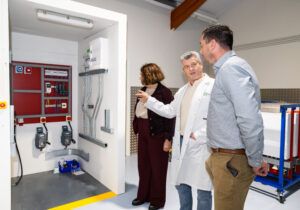
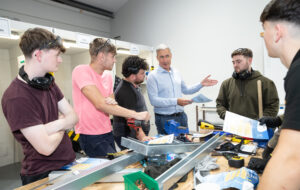
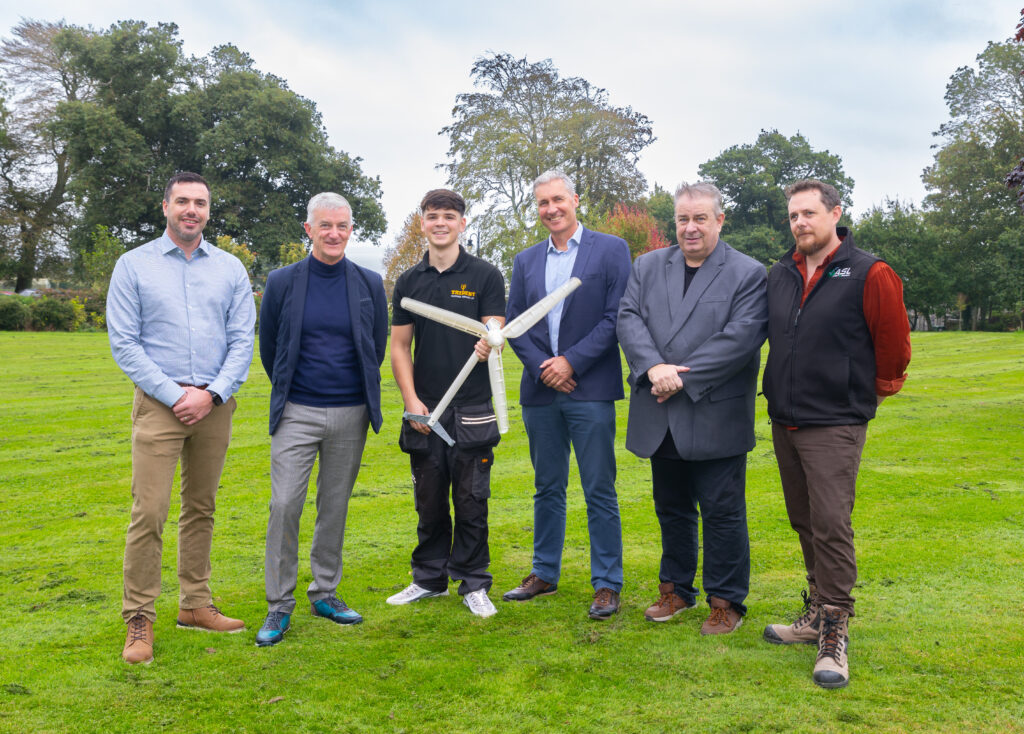
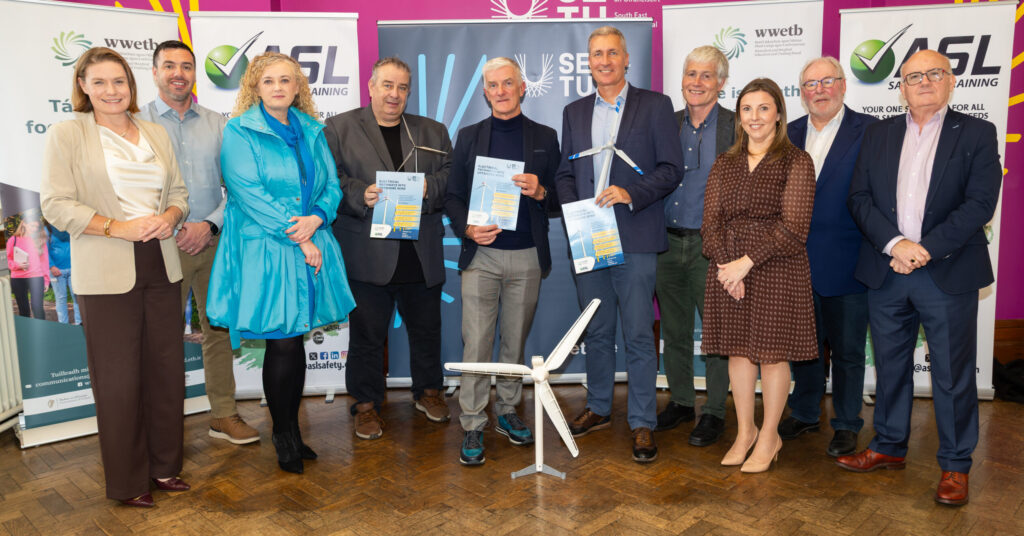
The ‘Electrical Pathways into Offshore Wind’ initiative, supported by ASL Safety & Training, was officially launched at SETU’s Summerhill Road Campus in Wexford on Tuesday, 29 September, followed by a visit to WWETB’s Training Centre at Whitemill, Co. Wexford.
ASL Safety & Training has provided health, safety, security and environmental training and consultancy services since 1994. The company works across a broad range of industries, supported by experienced professional consultants and trainers. Its courses and trainers are accredited by recognised industry and professional bodies.
The initiative brings together further and higher education and specialist industry training to demonstrate how existing electrical qualifications can provide a foundation for developing skills relevant to offshore wind.
Three pathways have been identified, combining electrical apprenticeship training and qualifications available through SETU and WWETB with Global Wind Organisation-approved training. Options include electrical apprenticeship combined with high voltage certification; SETU’s Certificate in Renewable Energy Systems; and the Certificate in Health and Safety for High Voltage Systems.
The launch comes as the south east prepares for significant development in offshore renewable energy. Tonn Nua, planned off the Waterford coast and expected to be operational by 2034, will have a target capacity of 900MW and is one of four areas identified for offshore renewable energy development under the South Coast Designated Maritime Area Plan (DMAP).
Captain Phil Murphy, Project Manager for Offshore Wind at SETU said:
“The development of offshore wind represents a significant opportunity for the south east but realising that opportunity will require a skilled workforce. Education and training providers have an important role to play in ensuring that people in our region can develop the skills needed to participate in this emerging sector. “Working with WWETB allows us to look across the education and training landscape and create clearer connections between existing skills, further education, higher education and specialist industry training. For someone with an electrical background, this initiative demonstrates that there are practical routes through which they can begin preparing for opportunities in offshore wind.”
Paul O Brien, Business Development Manager WWETB said “WWETB welcomes the potential job opportunities that the growing offshore wind industry will bring to the South Wexford and Waterford coastal regions. With decades of experience in supporting apprenticeships and industry, we are committed to building the partnerships and training infrastructure required to facilitate skills training for the many jobs that are expected. We are proud to highlight the WWETB electrical apprenticeship pathway, alongside other progression routes, that can help learners and qualified professionals take the next step towards careers in offshore wind and its associated industries. These pathways provide a clear roadmap for developing the specialist skills required to support Ireland’s renewable energy future”
The pathways are suitable for vocational and professional applicants and can be undertaken as standalone learning opportunities or combined to add to existing qualifications and experience.
Recent analysis estimates that the first 5GW of offshore wind development could contribute between €1.7 billion and €2.2 billion in additional gross value added across the wider south region, representing a potential boost of over 11% to the south east economy. The initiative reflects a wider focus on ensuring that the economic opportunities associated with offshore renewable energy translate into skills and employment within the region.